
Bathroom Remodels: Practical Steps for Homeowners in Paradise Valley, AZ
A practical planning guide for homeowners before starting a bathroom remodel.
Bathrooms tend to age quietly. Unlike kitchens, they don’t always announce their problems right away. But for homeowners in Paradise Valley and the East Valley, many bathrooms are reaching a point where wear, layout limitations, and outdated systems start to affect daily comfort.
Homes in these areas span a wide range, from older custom properties to early-2000s family homes. What they often share is bathrooms that were designed for a different time, with smaller showers, limited storage, inefficient lighting, and layouts that don’t always support how households function today.
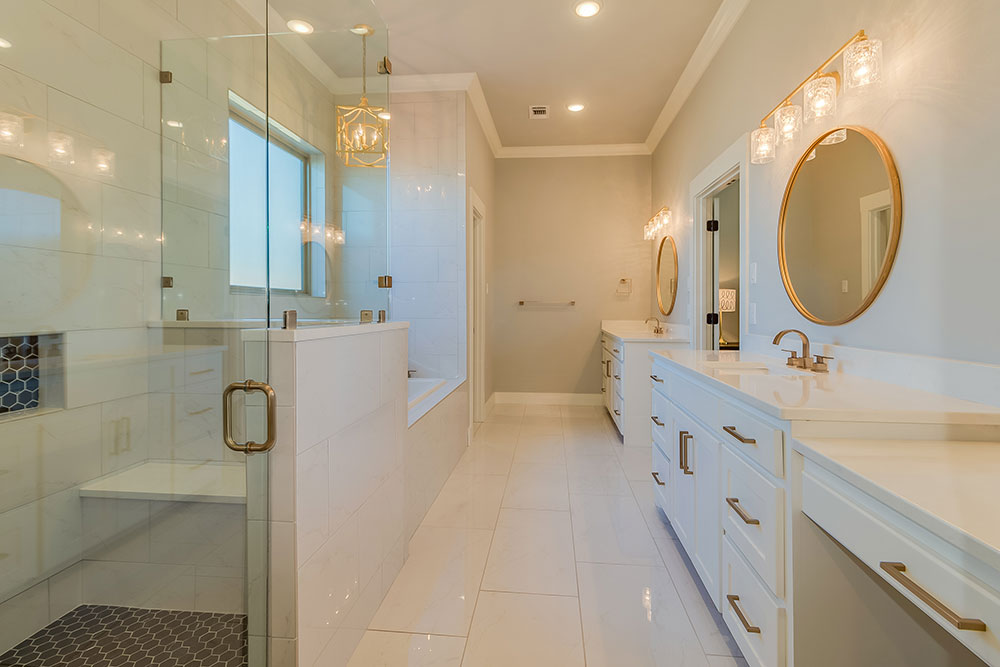
Why Bathroom Remodels in Paradise Valley & the East Valley Need Careful Planning
Bathrooms may be smaller projects than kitchens, but they come with just as many moving parts.
Local considerations often include:
- Homes built on slab foundations
- Aging plumbing behind walls
- Custom features that require careful coordination
- HOA or neighborhood guidelines in some communities
- Expectations around quality, longevity, and resale value
A bathroom remodel in Paradise Valley, AZ that’s rushed or poorly planned can lead to costly changes mid-project. A methodical approach keeps timelines, budgets, and expectations aligned.
Step 1: Identify What’s Actually Not Working
Before choosing finishes or fixtures, start with daily use.
Ask yourself:
- Does the shower feel cramped or awkward?
- Is there enough storage for how the bathroom is used?
- Is lighting adequate for mornings and evenings?
- Do multiple people struggle to use the space at the same time?
These answers form the foundation of your remodel. A successful bathroom update solves functional problems first, then improves appearance.
Step 2: Evaluate the Existing Layout Carefully
Many bathrooms in Paradise Valley were designed with:
- Separate tubs and small showers
- Large vanities with inefficient storage
- Poor circulation space
- Limited natural light
A remodel presents an opportunity to rethink how the space works, but layout changes should be intentional. Moving plumbing, walls, or windows can add cost, so it’s important to understand which changes offer real value.
This is the stage where homeowners decide whether:
- A tub is still necessary
- A shower should be expanded
- Vanity placement should change
- Space can be reallocated for storage or comfort
Layout decisions made early prevent regrets later.
👉 Schedule a Free Consultation for Your Paradise Valley Home!
Step 3: Understand HOA or Community Guidelines (If Applicable)
Some neighborhoods in Paradise Valley and parts of the East Valley have HOA or architectural review requirements, especially if exterior changes, windows, or noise considerations are involved.
Before work begins:
- Review community remodeling guidelines
- Confirm approval requirements
- Factor approval timelines into your schedule
This step is often overlooked and can delay a project unexpectedly.
Step 4: Set a Realistic Bathroom Remodel Budget
Bathroom remodel costs vary widely depending on scope, materials, and complexity.
Your budget should account for:
- Demolition and disposal
- Plumbing and electrical updates
- Tile and waterproofing
- Fixtures and hardware
- Vanities and storage
- Permits and inspections
Bathrooms often reveal hidden issues once walls are opened, especially in older homes. A 10–15% contingency is a practical safeguard.
Step 5: Decide What to Keep and What to Replace
Not every element needs to be replaced to achieve a meaningful improvement.
Before demolition, consider:
- Whether existing plumbing locations can remain
- If cabinetry can be modified instead of replaced
- Whether lighting and ventilation can be improved without major changes
Strategic decisions at this stage can help control costs without sacrificing quality or comfort.
Step 6: Plan Plumbing and Waterproofing Properly
Bathrooms are wet environments. Planning for durability matters.
Important considerations include:
- Shower waterproofing systems
- Drain placement and slope
- Plumbing access in slab homes
- Quality of valves and fittings
Cutting corners in this phase often leads to long-term problems. Proper planning and execution here protect the investment.
Step 7: Design Lighting for Function, Not Just Atmosphere
Bathroom lighting is frequently under designed.
Older bathrooms often rely on:
- A single overhead light
- Poor mirror illumination
- Limited natural light
A well-planned lighting strategy includes:
- Task lighting at vanities
- Even, shadow-free illumination
- Lighting zones for flexibility
Good lighting improves both usability and comfort, every day.
👉 Schedule Your Free Bathroom Remodel Consultation!
Step 8: Choose Materials Based on Use and Maintenance
Material selection should align with how the bathroom is used.
Think about:
- Slip resistance
- Ease of cleaning
- Long-term durability
- Moisture resistance
Timeless materials tend to perform better over time, particularly in homes where longevity and resale value matter.
Step 9: Plan for Ventilation and Comfort
Ventilation plays a major role in maintaining a healthy bathroom.
Older homes often have undersized or ineffective exhaust systems. Upgrading ventilation helps:
- Control humidity
- Protect finishes
- Improve air quality
Comfort upgrades, such as heated flooring or improved airflow, should be planned early to avoid retrofit costs.
Step 10: Understand the Remodel Timeline
Bathroom remodels can disrupt routines more than homeowners expect.
Before work begins, clarify:
- How long the bathroom will be unusable
- Whether a temporary bathroom is needed
- Which phases are most disruptive
Clear expectations reduce stress throughout the project.
Step 11: Permits, Inspections, and Final Review
Depending on the scope of work, permits may be required for plumbing, electrical, or structural changes.
Before final sign-off:
- Test all fixtures
- Check drainage and water pressure
- Review tile, grout, and finishes
- Confirm ventilation performance
Addressing small issues early prevents larger problems later.
Common Bathroom Remodel Mistakes in Paradise Valley & East Valley Homes
Homeowners often run into trouble when they:
- Focus on finishes before layout
- Underestimate plumbing complexity
- Skip ventilation upgrades
- Rush decisions under pressure
- Ignore future maintenance considerations
Most of these issues are avoidable with structured planning.
Planning a Bathroom Remodel in Paradise Valley?
If you’re considering a bathroom remodel, professional guidance early in the process can make a significant difference.
A consultation can help you:
- Evaluate your existing bathroom layout
- Identify opportunities specific to your home
- Understand costs, timelines, and requirements
- Plan a remodel that fits how your household functions
Ready to get started?
Contact us today to schedule a bathroom remodeling consultation and take the first step toward a better-designed space.
Thoughtful planning is the foundation of a bathroom remodel that performs well long after the work is complete.
👉 Schedule Your Free Consultation Today!